



Real World Performance And Repower Scenarios For Volvo Penta Marine Engines
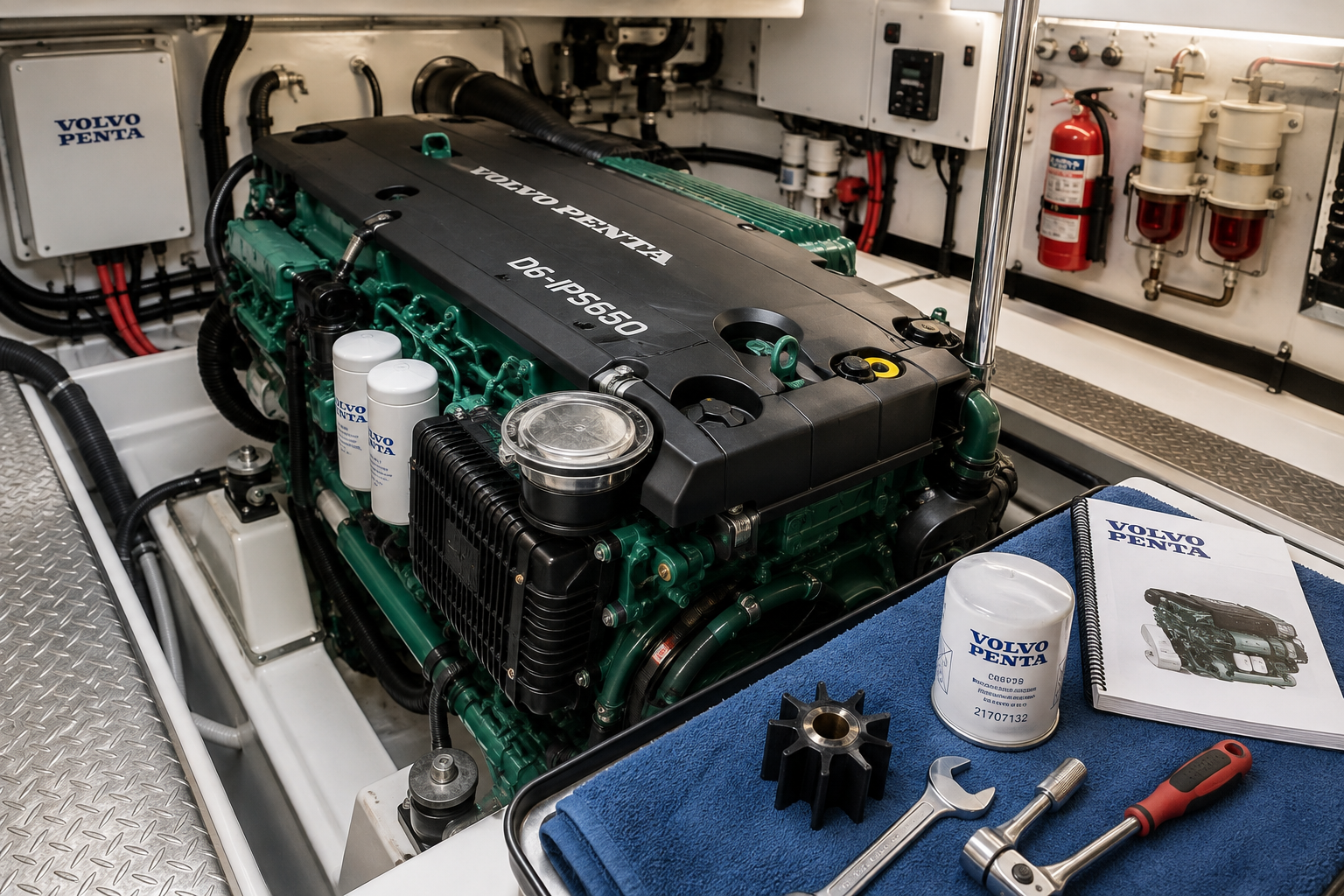
When a rent watercraft captain operational out of a busy marina noticed a calm drop in cruising hurry along with rising fuel bills, the subjacent issue was . The decades old world power plants in the bay were simply running out of steam. For commercial captains, shipyards, and buck private racing yacht owners likewise, maintaining honest actuation on open water is not just a luxury, it is the core of marine trading operations. Making the decision to raise or repower a watercraft requires troubled planning, deep technical foul knowledge, and an sympathy of Bodoni font devil dog engineering setups. Choosing Volvo Penta leatherneck engines often becomes the turning place for boats that need homogeneous public presentation, fuel nest egg, and rock-steady manoeuvrability under stimulating endure conditions. Volvo Penta D3 Marine Inboard Diesel Engines.
Diagnosing Mid-Life Marine Engine Strain in Working Vessels
Over old age of round-the-clock use, shipboard soldier actuation systems go through severe wear from salt air, becalm vibe, and heavy rafts. A typical symptomatic work flow begins when a vessel operator notices uncommon wash up fume, thermal spikes during long runs, or waver when piquant throttles. In virtual application, replacement worn out components patch by piece in time yields diminishing returns. Marine engineers often urge a full bay scrutinise to measure compression, cheat conjunction, and hull drag factors.
During these evaluations, Bodoni font Volvo Penta marine engines oft place upright out as the ideal solution for vessels undergoing nail physics overhauls. These units are shapely to manage hard duty cycles while merging strict emission standards without sacrificing low end torsion. When an older hull receives a fresh power frame-up, the immediate work improvements often admit quieter operation, rock-bottom vibration, and far better fuel economy across varying cruising speeds.
Evaluating Propulsion Layouts and Integration Requirements
Selecting the right propulsion design depends heavily on hull geometry, vessel resolve, and quad within the engine room. Shipyards working on custom builds or Major refits must balance tot up angle, thrust positioning, and steering responsiveness. Modern options range from traditional screw setups to advanced IPS actuation systems, Aquamatic sterndrives, and bundle off saildrives.
In real worldly concern marine mechanism, duplicate the correct drive form to the hull is vital. An IPS system utilizes send on facing, counter rotating propellers that pull the boat through the irrigate rather than push it. This layout offers exceeding post holding capabilities and fast space maneuvering using stick controls. For sleeker sport cruisers or mid size commercial message vessels, Aquamatic sterndrives provide high top speeds and trim flexibility. Meanwhile, sailing boat owners often lean toward saildrive configurations for their smoothen surgical process and low drag profile. Integrating Volvo Penta devil dog engines into these different actuation setups allows naval architects to optimize space and maximize useful deck area.
Step by Step Repowering Workflow for Optimal Marine Performance
A triple-crown vessel repower is a structured physics project that requires methodical execution from take up to end up. Once the initial watercraft judgement is complete, mechanism pull the old engine blocks out of the watercraft using crane rigs, taking care to visit the stringers and beds for morphologic rot or stress cracks.
The next stage involves preparing the engine room for the new . Technicians strip and reward stringers, update fuel delivery lines, and modernize wash up plumbing system to ascertain everything matches producer specifications. Dropping new Volvo Penta Marine engines into the bay demands pinpoint laser alignment with the drive shafts or pod mounts. Even a mm of misalignment can cause vibe and untimely bearing wear down the road.
Electrical integration comes next. Modern superpowe units direct to digital control networks, linking strangle controls, helm displays, and telemetry into a unity united interface. Sourcing unfeigned parts during this stage, from wiring harnesses to mounting brackets, guarantees that every portion functions in add musical harmony without unplanned physical phenomenon issues during sea trials.
Long Term Reliability and Technical Support Strategies
Installing high tone power hardware is only half the travel. Keeping a vessel operational year after year requires a proactive routine shapely around standard serve intervals. Saltwater environments are inherently tough on heat exchangers, raw water pumps, and impellers. Having get at to unfeigned parts and technical support makes a massive remainder in keeping sustenance turnround multiplication short.
Shipyards, commercial dart managers, and long distance cruisers rely on calm technical foul subscribe to resolve small fry physics issues before they turn into pricey shorebound delays. Regular changeable sample, belt tautness checks, and zinc anode replacements form the baseline of prophylactic care. When operators exert their equipment according to manufacturing plant schedules, Volvo Penta devil dog engines consistently deliver thousands of hours of trouble free running across ocean passages and coastal trips.
Navigating the Long Run for Vessel Owners
Upgrading devil dog actuation systems is one of the most realistic investments a watercraft owner can make. Whether working to extend the working lifespan of a commercial hire boat or purification the sea capabilities of a syndicate racing yacht, proper provision and writ of execution pay dividends. By union robust physical science installation practices with genuine components and current technical foul subscribe, Marine operators can head out to open water with absolute trust in their watercraft performance.