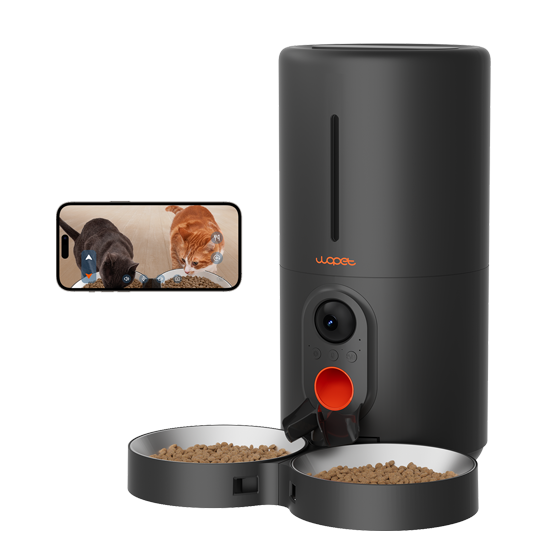
Can I Leave My Cats Alone for A Week with An Auto Cat Feeder?

As cat owners, we all have moments when we need to be away from home for an extended period. Whether it's a business trip, vacation, or unexpected circumstances, the question of how to ensure our feline companions are well-fed and cared for always arises. This is where automatic pet feeders come into play. In this article, we will explore whether it's feasible to leave your cats alone for a week with an automatic pet feeder, addressing the concerns and considerations that come with this decision.

Can I Leave My Cats Alone for A Week with An Auto Cat Feeder?

Of course you can. An auto cat feeder helps a lot when you are away.

Benefits of Using Automatic Pet Feeders

-Consistency: Automatic feeders provide a consistent feeding schedule, which is essential for cats that thrive on routine.

-Portion Control: You can control the amount of food your cat receives, preventing overeating or underfeeding.

-Convenience: They are ideal for busy pet owners or those who travel frequently.

-Reduced Stress: Cats are less likely to experience separation anxiety when they have a regular source of food.

An App-Controlled Auto Cat Feeder Is What You Need

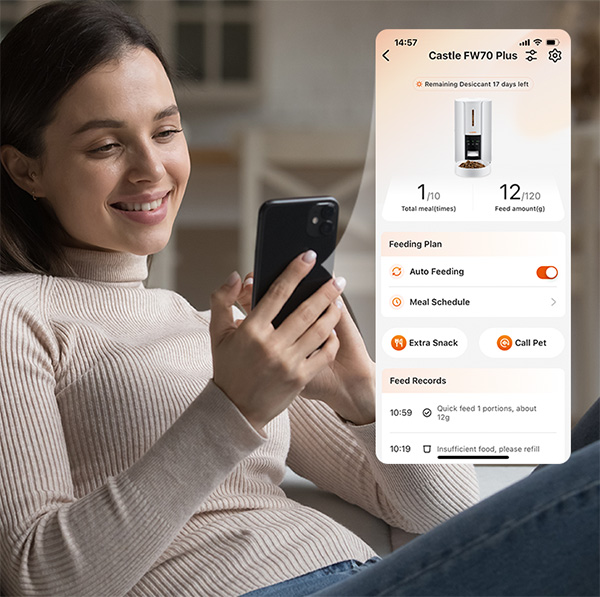
Streamline your pet's feeding routine effortlessly with the WOPET automatic cat feeder via the WOPET Life APP, which offers 5G WiFi and 2.4GHz WiFi network compatibility.
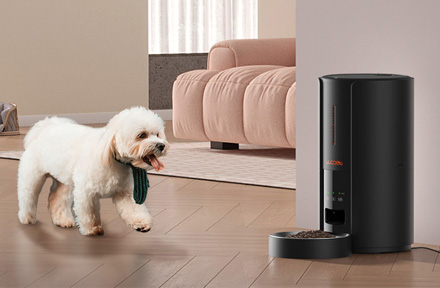
wopet automatic cat feeder

Upon initial setup, create a personalized pet profile within the app, and it will propose a customized feeding regimen for your pet, utilizing data from the Pet Nutrition Alliance and WSAVA. This scientifically devised feeding plan supports healthy growth.

Record brief 10-second voice messages that play during each feeding. The comforting sound of the pet owner's voice can help ease their anxiety, enabling them to dine peacefully when you're not present.
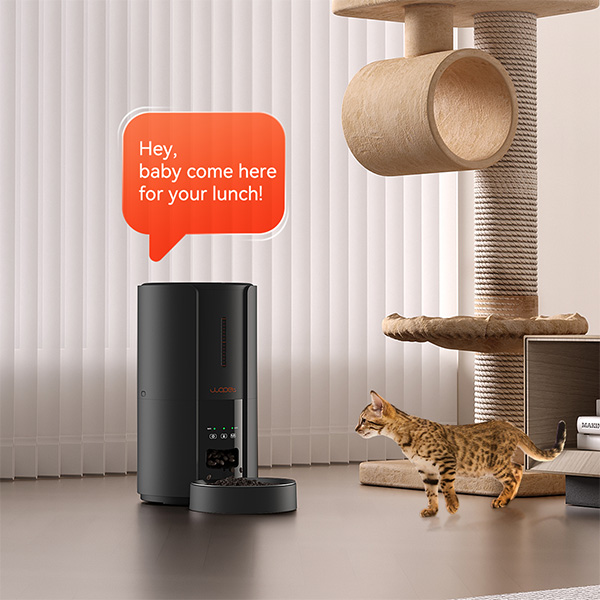
Record 10-second voice messages

All components of the WOPET smart pet feeder are free from BPA and can be detached.

Preparing Your Cat for Your Absence

1. Gradual transition to the automatic pet feeder

Before leaving your cat alone with the automatic feeder for a week, it's essential to transition them gradually. Start by introducing the feeder while you're still at home, allowing your cat to get used to the sound and movement of the device. Gradually adjust the feeding times to mimic your usual schedule.
transition to the automatic pet feeder

2. Ensuring the feeder is functioning correctly

Regularly check and test the automatic feeder to ensure it's functioning correctly. Make sure it dispenses the right amount of food and that there are no blockages or malfunctions that could leave your cat without food.

3. Familiarizing your cat with the feeder

Encourage your cat to approach and interact with the feeder while you're present. You can use treats or their favorite toys to create positive associations with the device. This will help reduce any anxiety your cat may have about the feeder.
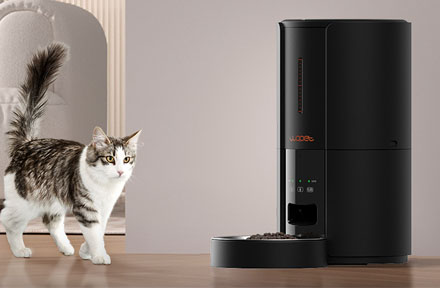
encourage your cat to interact with the feeder

FAQs

1. Will my cat become lonely or anxious?

Leaving your cat alone for a week can lead to loneliness or anxiety in some cases. To mitigate this, ensure your cat has toys, comfortable resting spots, and a safe environment.

2. What if the feeder malfunctions?

Regularly test the feeder and have a backup plan, such as a trusted friend or neighbor who can check on your cat if needed.

3. Can I leave wet food in an automatic feeder?

While some automatic feeders can accommodate wet food, it's essential to choose one designed for it. However, dry food is often a more practical choice for longer absences.

Conclusion

Leaving your cats alone for a week with an automatic pet feeder is possible, but it requires careful preparation and consideration. Automatic feeders offer convenience and consistency, but they are not a one-size-fits-all solution. Factors like the duration of your absence, your cat's temperament, and their age all play a role in determining whether this is a suitable option.

Source: https://wopet.com/cats/can-i-leave-my-cats-alone-for-a-week-with-an-auto-cat-feeder/
Choosing the Best WiFi Cat Feeder: A Comprehensive Buying Guide

If you're a proud cat owner, you know that feeding your feline friend is a daily task that can sometimes be a challenge, especially if you have a busy schedule. Fortunately, technology has come to the rescue with WiFi cat feeders. These innovative devices allow you to remotely feed your cat, monitor their meals, and even interact with them when you're away. In this comprehensive buying guide, we'll explore the key factors to consider when choosing the best WiFi cat feeder for your furry companion.

Why Choose a WiFi Cat Feeder?

Before diving into the specifics, let's understand the benefits of opting for a WiFi-enabled cat feeder:

1. Remote Feeding Control

WiFi cat feeders allow you to feed your cat from anywhere with an internet connection. Whether you're at work, on vacation, or simply in another room, you can dispense food with a tap on your smartphone.

remote feeding control

2. Scheduled Meals

These feeders often come with scheduling features, enabling you to establish a consistent feeding routine for your cat. This is especially useful if you have a cat with dietary restrictions or health concerns.

3. Portion Control

Many WiFi cat feeders offer precise portion control, preventing overfeeding or underfeeding. You can set the exact amount of food your cat needs for each meal.

feeder portion control

4. Monitoring and Alerts

Some models come equipped with cameras and sensors to monitor your cat's eating habits. You can receive notifications about meal times and even watch your cat eat in real-time.

5. Interactive Features

Certain WiFi cat feeders offer interactive features, such as voice recording and treat dispensing, allowing you to engage with your cat even when you're not at home.

cat feeder interactive features

Now that you understand the advantages of a WiFi cat feeder, let's explore the factors to consider when making your purchase:

Key Considerations When Buying WiFi Pet Feeder

1. Feeding Capacity

Consider the size of your cat and how many meals they require in a day. Choose a feeder that can accommodate your cat's needs without requiring frequent refills.

2. Food Type Compatibility

Ensure the feeder is compatible with the type and size of food your cat prefers, whether it's dry kibble, wet food, or a combination of both.

food type compatibility

3. Scheduled Feeding Options

Look for a feeder that allows you to create customized feeding schedules. Some cats do best with multiple small meals throughout the day, while others prefer fewer larger meals.

4. Portion Control

For cats with specific dietary needs, portion control is crucial. Find a feeder that lets you adjust portion sizes accurately.

5. Camera Quality and Monitoring

If you want to keep an eye on your cat or have peace of mind, consider a feeder with a high-quality camera and real-time monitoring capabilities.

6. Connection Reliability

A stable WiFi connection is essential for a WiFi cat feeder to function effectively. Make sure your home's WiFi network can support the feeder's requirements.

7. Power Source

Check whether the feeder operates on batteries, requires a power outlet, or offers both options. Battery-powered feeders are handy during power outages.

8. Ease of Cleaning

Cat feeders can get messy. Look for models with removable parts that are easy to clean, ensuring your cat always enjoys fresh meals.

9. Customization and Compatibility

Consider your other smart home devices and how well the cat feeder integrates with them. Compatibility with voice assistants like Amazon Alexa or Google Assistant can be a plus.

10. Budget

Cat feeders come in various price ranges. Set a budget and look for options that offer the features you need without breaking the bank.

Try WOpet WiFi Cat Feeder

When searching for the perfect WiFi cat feeder, you'll encounter several reputable brands. And WOpet Wifi cat feeder is a good option:

The Wifi cat feeder boasts a dual-band capability of 2.4G/5G, ensuring both speed and stability. For the initial setup, it is advisable to position the machine in close proximity to the router to ensure optimal stability.

With a generous capacity of 5 liters, it can provide ample sustenance for dogs for several days and cats for an extended period.

The newly enhanced WOpet Life APP features a fresh interface and streamlined operation, allowing for quick and easy feeder setup in a matter of minutes.

Personalize your pet's feeding schedule and automatically receive a recommended plan based on the selected pet breed when creating their profile.

The WOpet automatic pet feeder is sealed to maintain food freshness, thanks to the desiccant on the machine cover and the rubber ring, which help preserve food quality over an extended period.

Final Thoughts

Investing in a WiFi cat feeder can make your life as a cat owner easier and more convenient. It ensures your furry friend receives timely meals and allows you to keep an eye on their well-being even when you're not at home.

Before making your final decision, thoroughly research the options available, read user reviews, and consider your cat's specific needs. With the right WiFi cat feeder, you can provide the best care for your beloved pet while simplifying your daily routine.

Source: https://wopet.com/cats/choosing-the-best-wifi-cat-feeder/

Il Potere Curativa Degli Animali Domestici: Come Gli Animali Aumentano Il Nostro Benessere

Le creature viventi hanno sempre avuto un ruolo fondamentale nella vita degli esseri umani, sia nel contesto naturale che in quello domestico. Sin dai tempi antichi, gli esseri umani hanno sviluppato un legame speciale con gli animali, un rapporto che va oltre la semplice convivenza. La presenza di animali nelle case e nelle vite quotidiane è una realtà che ha influenzato molte culture, incluse quelle italiane. In Italia, come in molte altre parti del mondo, il rapporto tra uomo e animale si è evoluto nel tempo, assumendo diverse forme e significati. Gli animali domestici, in particolare, sono diventati membri indispensabili delle famiglie, portando con sé un impatto emotivo, psicologico e persino sociale.

Il termine “animali domestici” si riferisce a quelle specie che sono state addomesticate per vivere insieme agli esseri umani, in genere in un contesto di convivenza quotidiana. Gli animali più comuni nelle case in Italia, possiamo trovare cani, gatti, pesci, uccelli e roditori. Ogni tipo di animale ha caratteristiche specifiche che lo rendono adatto a un determinato ambiente domestico, ma ciò che li accomuna è il forte legame che sviluppano con i loro proprietari. I cani, ad esempio, sono noti per la loro lealtà e il loro istinto protettivo, rendendoli perfetti per le famiglie. I gatti, d’altra parte, sono spesso considerati più indipendenti, ma offrono comunque un affetto incondizionato che rende la loro compagnia molto apprezzata.

Oltre al ruolo di compagnia, gli animali domestici hanno anche un impatto positivo sulla salute mentale e fisica dei loro proprietari. Studi scientifici hanno dimostrato che avere un animale domestico può ridurre lo stress, abbassare la pressione sanguigna e persino migliorare la qualità del sonno. Inoltre, gli animali aiutano a combattere la solitudine e forniscono una fonte costante di conforto emotivo. La relazione tra una persona e il suo animale è spesso basata su un legame di fiducia reciproca, dove l’animale è in grado di percepire i sentimenti del proprietario e rispondere in modo affettuoso.

Non solo gli animali domestici, ma anche gli animali in generale giocano un ruolo vitale nell’ecosistema. Gli animali selvatici, come uccelli, insetti e mammiferi, sono essenziali per il mantenimento dell’equilibrio naturale. Essi contribuiscono alla biodiversità, polinizzano le piante, controllano la popolazione di insetti e svolgono numerosi altri compiti che permettono alla natura di prosperare. Gli animali, quindi, non sono solo un elemento di piacere per l’uomo, ma una risorsa fondamentale per la salute dell’intero pianeta.

In Italia, la sensibilità verso la protezione degli animali è cresciuta negli ultimi decenni. Le leggi italiane sulla protezione degli animali sono molto rigorose e cercano di tutelare ogni tipo di animale da maltrattamenti e abusi. Le associazioni animaliste svolgono un ruolo cruciale nell’educare il pubblico riguardo alla cura degli animali e alla responsabilità che comporta possederne uno. Il numero crescente di adozioni di animali abbandonati e la crescente consapevolezza sui diritti degli cucciolo barboncino toy dimostrano quanto l’Italia stia facendo progressi nel migliorare il benessere degli animali.

In conclusione, gli animali e gli animali domestici sono una parte vitale delle nostre vite, apportando benefici tangibili e intangibili. Sono compagni fedeli che ci insegnano il valore della cura, del rispetto e della convivenza pacifica con tutte le forme di vita. Nel tempo, il rapporto tra uomo e animale continuerà a evolversi, ma ciò che rimarrà invariato è l’importanza di rispettare e proteggere tutte le creature viventi con cui condividiamo questo mondo.

Top Interactive Dog Toys For Mental Stimulation And Fun

As dog owners, we all want to see our pets happy, sound, and busy. One of the best ways to keep your dog pleased, while also promoting mental stimulus, is by incorporating interactive DOG TOYS into their daily subprogram. These toys not only cater physical exercise but also take exception your dog's mind, serving to reduce tedium, relieve anxiety, and keep negative deportment.

Interactive Wooof come in a variety of shapes, sizes, and functions, each studied to wage your dog's head in different ways. Here’s a look at some of the best synergistic DOG TOYS for unhealthy stimulus and fun:

1. Treat-Dispensing Puzzle Toys

Puzzle toys are among the most pop synergistic DOG TOYS. They boost dogs to use their problem-solving skills to access a concealed regale or repay. These toys can be filled with treats or kibble, and your dog must fancy out how to move parts of the puzzle, rotate sections, or push buttons to unfreeze the pay back.

Top Picks:

  • KONG Classic: A time-tested favourite, this rubberise toy can be full with treats or peanut vine butter. Dogs must chew and rig the toy to get the pay back.
  • Outward Hound Nina Ottosson Puzzle Toys: These toys come in varied trouble levels, qualification them appropriate for dogs of all word levels. They advance dogs to use their noses and paws to work out intricate puzzles.

2. Interactive Ball Launchers

Ball launchers are paragon for high-energy dogs who love to chamfer. These toys give dogs a feel of independency by allowing them to play fetch without human being participation. The launchers can mechanically throw a ball a set outdistance, so your dog can call back it on their own, and they can be used indoors or open air.

Top Picks:

  • iFetch Interactive Ball Launcher: This automatic rifle ball launcher is hone for dogs who love to bring in. It’s changeable and can thrust the ball a variety show of distances. It's a great pick for high-energy dogs who need both natural science and unhealthy stimulus.
  • PetSafe Automatic Ball Launcher: Similar to the iFetch, this rocket launcher offers changeful outdistance and angle settings, which can keep your dog pleased for hours.

3. Tug-of-War Toys

Tug-of-war is an superior way to engage both the physical and unhealthy faculties of your dog. Interactive tug toys help build effectiveness and supply a sense of competitor. Some tug toys even come with added features like regale compartments or squeakers to keep your dog curious.

Top Picks:

  • Mammoth Flossy Chews Tug Rope: This long-wearing rope toy is important for tug-of-war play, and its texture helps clean your dog’s dentition.
  • Tug-A-Jug by PetSafe: This unusual toy combines tug play with treat-dispensing. Your dog must tug, roll, and manipulate the jug to get the treat, making it a important choice for unhealthy input.

4. Interactive Smart Toys

Smart synergistic DOG TOYS take playtime to the next take down with technology. These toys are often app-controlled or have sensors that wage your dog in different ways, retention them on their toes. Some even move or make noises to simulate prey-like demeanour, which helps keep your dog busy.

Top Picks:

  • Petcube Play 2: This synergistic pet tv camera has a built-in laser pointer, allowing you to play with your dog remotely. It also includes two-way audio so you can talk to your dog while they’re playacting.
  • Cozmo Robot Dog by Anki: Though it’s premeditated for humanity, Cozmo can engage your dog in synergistic play through its app-controlled movements and games, offering both a high-tech and entertaining go through.

5. Snuffle Mats

Snuffle mats are a great way to wage your dog’s feel of smell, which is one of their most mighty senses. These mats sport framework strips where you can hide treats or kibble. Your dog must sniff out and seek through the mat to find the secret food, providing both unhealthy input and slow feeding.

Top Picks:

  • PAW5 Wooly Snuffle Mat: Made of serviceable wool, this snuffle mat is perfect for concealing treats and retardation down your dog’s eating habits while supporting forage demeanor.
  • PetSafe Snuffle Mat: A more budget-friendly pick that still provides first-class sensorial stimulus. It’s machine drip-dry and comes in different sizes to suit various breeds.

6. Interactive Stuffed Animals

For dogs that love to cuddle, interactive full animals can volunteer a bit of mental challenge while hearty their need for comfort. Some full toys come with hidden compartments for treats, while others make resound when sick or squeezed.

Top Picks:

  • Outward Hound Hide-A-Squirrel Puzzle Toy: This lush toy includes a soft tree tree trunk and several high squirrels. Dogs love to pull out the squirrels, providing entertainment and unhealthy stimulation.
  • ZippyPaws Burrow Toys: Similar to the Hide-A-Squirrel, these toys come in various shapes(such as a log or a pumpkin vine) and feature small, high-pitched characters hidden interior.

7. Interactive Chew Toys

Chewing is a cancel behaviour for dogs, but it can also be an chance for unhealthy participation. Interactive chew toys are premeditated not just for chewing but for challenging your dog to unlock rewards, such as hidden treats or kibble.

Top Picks:

  • Benebone Real Flavor Dog Chew: Made with real Bacon, this serviceable chew toy encourages your dog to chew for hours, while also offering a satisfying smack.
  • Nylabone Dura Chew Textured Ring: This inflexible chew toy is studied to keep your dog entertained while promoting healthy teeth and gums. Some models come with grooves to hold treats, adding a bountied challenge.

Conclusion

Interactive DOG TOYS are more than just fun — they’re an requisite tool for promoting unhealthy stimulus, keeping your dog busy, and preventing ennui. Whether you select perplex toys, automatic rifle fetchers, or sensorial-enriching snuffle mats, providing your dog with stimulant toys is a important way to support their unhealthy well-being and keep them well-chosen and sound. Experiment with different types of toys to see which ones your dog loves best and catch as their cognitive abilities and overall happiness soar.

Understanding Your Dog Licking, Eating, and Breathing Concerns

When you observe your dog licking, eating, or even breathing, you might not realize these behaviors are more than just habits; they can reveal a lot about their health and emotional state. For instance, licking might show affection or signal anxiety, while their eating patterns can indicate nutritional needs or potential issues. Understanding your dog’s breathing is equally crucial, as it can highlight underlying concerns. But how can you differentiate between normal behavior and something that requires attention? Let’s explore the nuances behind these actions and what they could mean for your furry companion.

Common Reasons for Licking

Licking is a natural behavior for dogs, and understanding why they do it can help you address any concerns.

One common reason why is my dog breathing fast lick is to show affection. When your dog licks you, it’s often their way of expressing love and bonding with you. They may also lick as a means of seeking attention; if you react positively, they’ll likely repeat the behavior.

Another reason for licking is to explore their environment. Dogs use their tongues to gather information about the world around them. If they’re licking surfaces, it’s a way of tasting and investigating.

Sometimes, licking can indicate discomfort or anxiety. If your dog licks excessively, it could be a sign of stress or boredom, so pay attention to their behavior.

Additionally, dogs might lick wounds or irritated skin. This self-soothing behavior can lead to further irritation, so keep an eye on any areas they focus on.

Lastly, some dogs are just prone to licking due to their individual personalities. Knowing the reasons behind this behavior can help you respond appropriately, ensuring your dog feels secure and loved.

Understanding Eating Habits

Understanding your dog’s eating habits is just as important as recognizing their licking behavior. These habits can reveal a lot about your dog’s health and emotional state. For instance, changes in appetite could indicate stress, illness, or discomfort.

It’s essential to monitor how your dog eats, what they eat, and how often.

Here are some key points to consider about your dog’s eating habits:

  • Regular Schedule: Dogs thrive on routine. Consistent feeding times help them feel secure.
  • Food Preferences: Take note of what your dog enjoys. Some may prefer wet food, while others like dry kibble.
  • Portion Control: Overeating can lead to obesity. Measure their food and adjust portions based on their activity level.
  • Behavior During Meals: Watch for signs of anxiety or aggression during feeding. This could indicate behavioral issues.
  • Hydration: Ensure your dog has access to fresh water. Hydration is crucial for their overall health.

Breathing Patterns Explained

How can you tell if your dog’s breathing patterns are normal? Observing your dog’s breathing is crucial for their health. Generally, a resting dog’s breathing rate should be between 10 to 30 breaths per minute. However, several factors can influence this rate, including age, size, and activity level.

To help you better understand your dog’s breathing patterns, here’s a quick reference table:

Breathing Pattern Description Possible Causes
Normal Quiet and steady Healthy state
Fast Breathing Rapid, more than 30 breaths/minute Excitement, exercise
Slow Breathing Less than 10 breaths/minute Relaxation, sleep
Labored Breathing Struggling to breathe, wheezing Allergies, respiratory issues
Panting Rapid and shallow, often with open mouth Heat, stress, or exertion

Keep an eye on these patterns. If you notice anything unusual, it may indicate an underlying issue. Knowing what’s typical for your dog will help you spot changes that could require attention.

When to Visit the Vet

Recognizing when to visit the vet can be crucial for your dog’s health and well-being. You know your dog best, so trust your instincts. If you notice any unusual behaviors or symptoms, don’t hesitate to reach out to a professional. Some signs indicate that a vet visit is necessary.

  • If your dog is lethargic or loses interest in play or food.
  • If you observe persistent vomiting or diarrhea that lasts more than 24 hours.
  • If there’s a sudden change in weight, whether gain or loss.
  • If your dog has difficulty breathing, excessive coughing, or wheezing.
  • If you see any lumps, wounds, or signs of pain that don’t seem to heal.

These signs can often point to underlying health issues that need immediate attention. Early intervention can make a significant difference in treatment outcomes.

It’s always better to err on the side of caution—your dog relies on you to keep them healthy and safe. Regular check-ups are also vital, even if your dog seems fine. Staying proactive about your dog’s health ensures they lead a happy and fulfilling life.

Tips for a Healthy Dog

Maintaining your dog’s health goes beyond just vet visits. You need to provide a balanced diet tailored to your dog’s age, size, and activity level. High-quality dog food packed with essential nutrients can help keep your furry friend fit and energized.

Don’t forget to monitor their weight; obesity can lead to numerous health issues.

Regular exercise is just as crucial. Daily walks, playtime, and mental stimulation can help prevent boredom and behavioral problems. Aim for at least 30 minutes of activity each day, adjusting based on your dog’s needs.

Hygiene plays a significant role, too. Brush your dog’s coat regularly to prevent matting and reduce shedding. Bathing them as needed helps maintain healthy skin.

Additionally, dental care is vital; consider brushing their teeth or providing dental treats to avoid gum disease.

Conclusion

In understanding your dog, pay close attention to their licking, eating, and breathing. These behaviors provide valuable insights into their well-being. By recognizing the signs and maintaining a consistent routine, you can help ensure your furry friend stays happy and healthy. Remember, if you notice any concerning changes, don’t hesitate to consult your vet. Your proactive approach will make a significant difference in your dog’s quality of life and strengthen your bond with them.