


How Edit PDF Online Form Filler Works?

Digital documents are now part of everyday life. Students submit assignments electronically. Businesses send contracts by email. Government forms are shared as downloadable files. Because of this shift, more people are learning how to Edit PDF Online instead of printing documents and filling them out by hand.
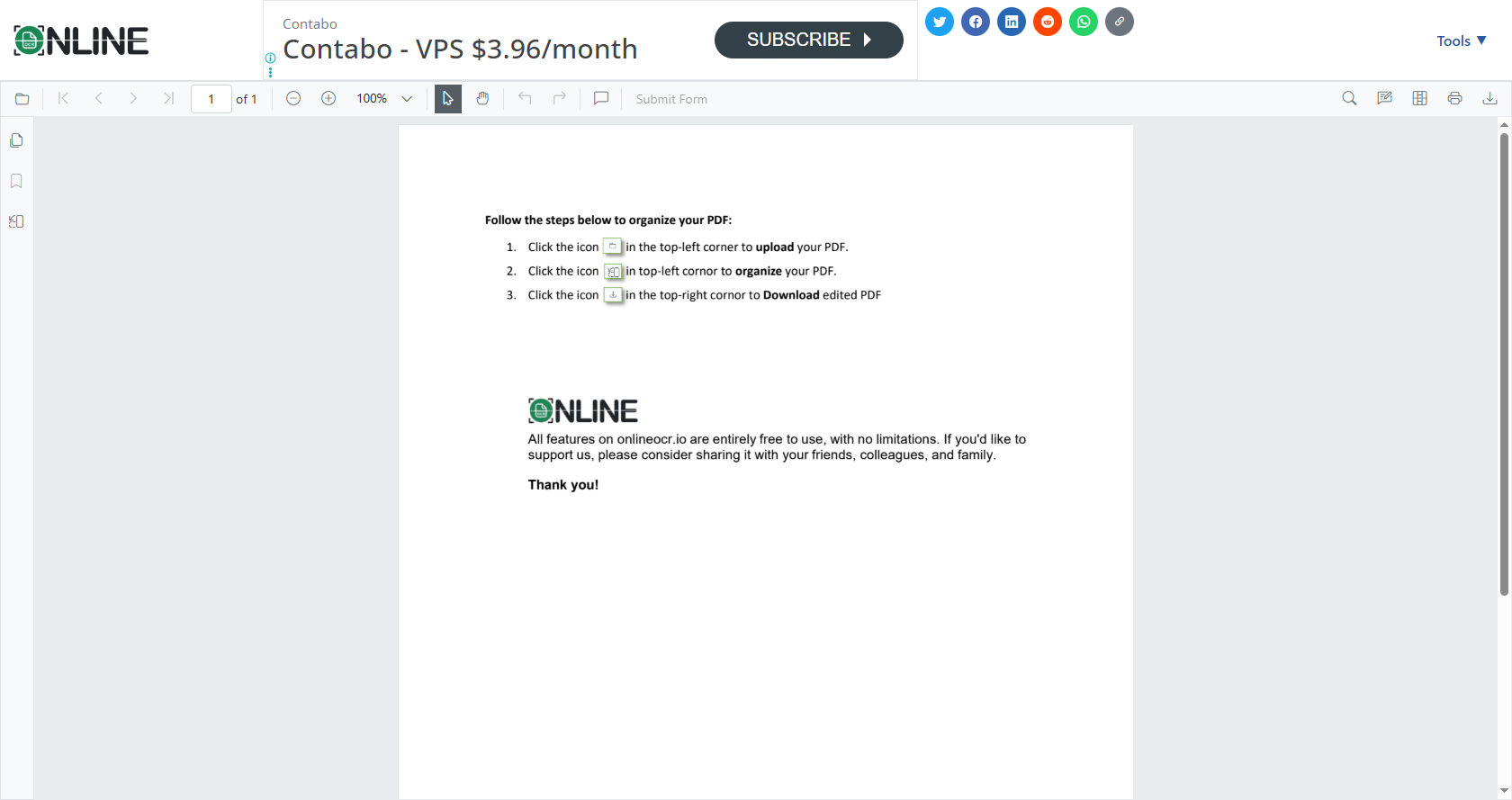
When you Edit PDF Online, you use a web-based tool that allows you to modify a PDF file directly in your browser. You do not need to install heavy software.

You simply upload your file, make changes, and download the updated version. This process saves time, reduces paper waste, and improves efficiency.

In this comprehensive guide, you will learn how online PDF form fillers work, what features they offer, why they are useful, and how to use them safely.

The explanations are written in simple language so that anyone at a 12th-grade reading level can understand the process clearly.


What Is an Online PDF Form Filler?

A PDF form filler is a digital tool that allows users to type into form fields, check boxes, select options, and add signatures inside a PDF document. Instead of printing a form and writing with a pen, you can complete everything digitally.

One major benefit of choosing to Edit PDF Online is convenience. You can access your documents anytime and anywhere as long as you have an internet connection. There is no need to search for a printer or scanner.

Another reason people Edit PDF Online is speed. Filling out a digital form usually takes less time than printing, writing, scanning, and emailing it back. Everything happens in one smooth process.

Cost savings also motivate users to Edit PDF Online. You do not need to buy ink, paper, or expensive desktop software. Many online tools offer free versions that handle basic editing tasks.

Finally, businesses prefer to Edit PDF Online because it improves collaboration. Multiple people can review and update documents without meeting in person. This makes teamwork faster and more organized.


How Does Online PDF Editing Work?

To understand how you can Edit PDF Online, it helps to know a little about how PDFs are structured. A PDF file stores text, images, fonts, and formatting in a fixed layout. This ensures the document looks the same on every device.

When you upload a file to Edit PDF Online, the platform processes the document on a secure server. The software reads the file structure and identifies editable elements such as text fields, images, and form boxes.

Once the file is ready, the Edit PDF Online interface displays your document in the browser. You can click on text areas, type new information, adjust font size, or insert new elements. The changes appear instantly on your screen.

After you finish your changes and click save, the Edit PDF Online system updates the file and prepares a new downloadable version. Some platforms automatically overwrite the old file, while others create a separate updated copy.

Every time you Edit PDF Online, the platform temporarily stores your file during the editing process. Trusted services delete files after a certain period to protect your privacy.


Key Features of Online PDF Form Fillers

Online PDF editors offer a variety of helpful features. These tools are designed to make document editing simple and efficient.

Most tools that allow you to Edit PDF Online include text editing features. You can add new text, delete unwanted words, or correct spelling errors. This is helpful when updating resumes, reports, or applications.

Another common feature when you Edit PDF Online is form filling. Interactive forms contain clickable fields where you can type answers directly. Checkboxes and dropdown menus make it easy to select options.

You can also add images when you Edit PDF Online. For example, you might insert a company logo, a profile picture, or a scanned ID. The tool allows you to resize and position images correctly.

Annotation tools are essential if you Edit PDF Online for review. You can highlight text, underline important sections, or add comments. Teachers and managers often use this feature for feedback.

Many platforms that let you Edit PDF Online also support e-signatures. You can draw your signature with a mouse or upload an image of your signature. This makes it possible to sign contracts digitally.


Security and Privacy Considerations

Security is a major concern when you Edit PDF Online. Since documents may contain personal or financial information, you must choose a trustworthy platform.

Reputable services that allow you to Edit PDF Online use encryption. Encryption protects your data while it is being uploaded and downloaded. This prevents unauthorized access during transmission.

When you Edit PDF Online on a trusted platform, your files are usually stored temporarily. Many services automatically delete documents after a few hours to protect user privacy.

Before you Edit PDF Online, always check the website’s privacy policy. Make sure the platform clearly explains how your data is handled and whether files are shared with third parties.

It is also important to avoid uploading sensitive documents on public Wi-Fi networks. Secure connections reduce the risk of data theft.


Devices You Can Use for Online PDF Editing

One of the biggest advantages of online tools is flexibility. You are not limited to one specific device.

You can Edit PDF Online from a desktop computer. Large screens make it easier to view complex documents and adjust formatting precisely.

Many people prefer to Edit PDF Online using a laptop. Laptops are portable but still offer a full keyboard and screen for comfortable typing.

You can also Edit PDF Online on a tablet. Tablets with touchscreens allow you to draw signatures naturally using a stylus or your finger.

Smartphones can also handle basic PDF editing tasks, especially for quick form submissions or small corrections.

Because online editors run in web browsers, they work on different operating systems such as Windows, macOS, Android, and iOS.


Step-by-Step Guide to Filling a PDF Form Online

Understanding the steps makes the process simple and stress-free.

Step 1: Choose a platform to Edit PDF Online. Look for a reputable website with good reviews and clear security policies.

Step 2: Upload the file you want to Edit PDF Online. Most platforms allow you to drag and drop your document or select it from your device.

Step 3: Use the tools provided to Edit PDF Online according to your needs. Click on form fields to type text. Use annotation tools if needed.

Step 4: Review your work after you Edit PDF Online. Double-check spelling, numbers, and dates to avoid mistakes.

Step 5: Save or download the document once you Edit PDF Online. Choose the correct file format if options are available.

Step 6: Share the file securely after you Edit PDF Online. You can email it directly or upload it to a cloud storage service.

By following these steps, you can complete most documents quickly and accurately.


Common Uses for Online PDF Form Fillers

Online PDF editing tools are useful in many situations.

Students often Edit PDF Online to complete assignments, scholarship applications, or registration forms. Digital submission is now common in schools and universities.

Job seekers Edit PDF Online to update resumes and fill out job application forms. Being able to make quick edits improves professionalism.

Businesses Edit PDF Online to manage contracts, agreements, and invoices. Digital signatures speed up approval processes.

Teachers may Edit PDF Online to grade papers and provide written feedback without printing stacks of documents.

Freelancers Edit PDF Online to send invoices and proposals to clients. This creates a polished and organized workflow.

Healthcare offices, legal firms, and government agencies also rely on digital form filling to improve efficiency.


Advantages of Using Online PDF Editors

There are many reasons why people choose digital editing over traditional methods.

First, it saves time. You do not need to print, scan, or mail documents. Everything happens within minutes.

Second, it improves accuracy. Typing is usually clearer than handwriting, which reduces misunderstandings.

Third, digital storage is easier to organize. Files can be saved in folders and backed up in the cloud.

Fourth, environmental benefits are significant. Using less paper helps reduce waste.

Most importantly, the ability to Edit PDF Online allows instant updates. If you notice a mistake, you can fix it immediately without starting over.


Limitations of Online PDF Editing

Although it is convenient to Edit PDF Online, there are some limitations to consider.

Some free tools may restrict advanced features. For example, certain platforms require payment to unlock full editing options.

Another limitation when you Edit PDF Online is file size restrictions. Large files may take longer to upload or may not be supported by free versions.

In rare cases, formatting may shift when you Edit PDF Online. This can happen if fonts are not embedded correctly in the original file.

Internet access is also required. Without a stable connection, editing may become difficult.

Understanding these limitations helps you choose the right tool for your needs.


Tips for Getting the Best Results

To get the best results when you Edit PDF Online, start by using high-quality original files. Clear formatting makes editing easier.

Always double-check your information after you Edit PDF Online. Small mistakes in names or numbers can cause big problems later.

Use strong passwords on accounts that allow you to Edit PDF Online. This adds an extra layer of protection.

Organize your files before you Edit PDF Online so you can quickly locate the correct version. Keeping documents clearly labeled prevents confusion.

Finally, choose reliable platforms every time you Edit PDF Online. Trusted services provide better security and customer support.

By following these tips, you can ensure a smooth editing experience.


The Future of Online PDF Editing

Technology continues to improve every year. As technology improves, the way we Edit PDF Online will become even faster and more advanced.

Artificial intelligence is changing how people Edit PDF Online. Some tools can automatically detect form fields, suggest corrections, or convert scanned documents into editable text.

Cloud integration is also growing. Users can connect online editors directly to storage services, making document management more seamless.

In the coming years, digital documentation will likely replace most paper-based systems in schools, businesses, and government offices.


Conclusion

Online PDF form fillers have transformed the way people handle documents. Instead of printing and scanning paperwork, users can complete forms digitally within minutes. The process is simple: upload the file, make changes, review the document, and download the updated version.

These tools offer convenience, speed, cost savings, and environmental benefits. They work across multiple devices and support features such as text editing, annotations, image insertion, and digital signatures. While there are some limitations, choosing a secure and reputable platform reduces most risks.

For students, professionals, and businesses alike, digital editing is becoming the standard method for managing documents. Understanding how online PDF form fillers work empowers you to handle paperwork more efficiently and confidently in today’s digital world.

How Edit PDF Online Form Filler Works?

Digital documents are now part of everyday life. Students submit assignments electronically. Businesses send contracts by email. Government forms are shared as downloadable files. Because of this shift, more people are learning how to Edit PDF Online instead of printing documents and filling them out by hand.

When you Edit PDF Online, you use a web-based tool that allows you to modify a PDF file directly in your browser. You do not need to install heavy software.

You simply upload your file, make changes, and download the updated version. This process saves time, reduces paper waste, and improves efficiency.

In this comprehensive guide, you will learn how online PDF form fillers work, what features they offer, why they are useful, and how to use them safely.

The explanations are written in simple language so that anyone at a 12th-grade reading level can understand the process clearly.


What Is an Online PDF Form Filler?

A PDF form filler is a digital tool that allows users to type into form fields, check boxes, select options, and add signatures inside a PDF document. Instead of printing a form and writing with a pen, you can complete everything digitally.

One major benefit of choosing to Edit PDF Online is convenience. You can access your documents anytime and anywhere as long as you have an internet connection. There is no need to search for a printer or scanner.

Another reason people Edit PDF Online is speed. Filling out a digital form usually takes less time than printing, writing, scanning, and emailing it back. Everything happens in one smooth process.

Cost savings also motivate users to Edit PDF Online. You do not need to buy ink, paper, or expensive desktop software. Many online tools offer free versions that handle basic editing tasks.

Finally, businesses prefer to Edit PDF Online because it improves collaboration. Multiple people can review and update documents without meeting in person. This makes teamwork faster and more organized.


How Does Online PDF Editing Work?

To understand how you can Edit PDF Online, it helps to know a little about how PDFs are structured. A PDF file stores text, images, fonts, and formatting in a fixed layout. This ensures the document looks the same on every device.

When you upload a file to Edit PDF Online, the platform processes the document on a secure server. The software reads the file structure and identifies editable elements such as text fields, images, and form boxes.

Once the file is ready, the Edit PDF Online interface displays your document in the browser. You can click on text areas, type new information, adjust font size, or insert new elements. The changes appear instantly on your screen.

After you finish your changes and click save, the Edit PDF Online system updates the file and prepares a new downloadable version. Some platforms automatically overwrite the old file, while others create a separate updated copy.

Every time you Edit PDF Online, the platform temporarily stores your file during the editing process. Trusted services delete files after a certain period to protect your privacy.


Key Features of Online PDF Form Fillers

Online PDF editors offer a variety of helpful features. These tools are designed to make document editing simple and efficient.

Most tools that allow you to Edit PDF Online include text editing features. You can add new text, delete unwanted words, or correct spelling errors. This is helpful when updating resumes, reports, or applications.

Another common feature when you Edit PDF Online is form filling. Interactive forms contain clickable fields where you can type answers directly. Checkboxes and dropdown menus make it easy to select options.

You can also add images when you Edit PDF Online. For example, you might insert a company logo, a profile picture, or a scanned ID. The tool allows you to resize and position images correctly.

Annotation tools are essential if you Edit PDF Online for review. You can highlight text, underline important sections, or add comments. Teachers and managers often use this feature for feedback.

Many platforms that let you Edit PDF Online also support e-signatures. You can draw your signature with a mouse or upload an image of your signature. This makes it possible to sign contracts digitally.


Security and Privacy Considerations

Security is a major concern when you Edit PDF Online. Since documents may contain personal or financial information, you must choose a trustworthy platform.

Reputable services that allow you to Edit PDF Online use encryption. Encryption protects your data while it is being uploaded and downloaded. This prevents unauthorized access during transmission.

When you Edit PDF Online on a trusted platform, your files are usually stored temporarily. Many services automatically delete documents after a few hours to protect user privacy.

Before you Edit PDF Online, always check the website’s privacy policy. Make sure the platform clearly explains how your data is handled and whether files are shared with third parties.

It is also important to avoid uploading sensitive documents on public Wi-Fi networks. Secure connections reduce the risk of data theft.


Devices You Can Use for Online PDF Editing

One of the biggest advantages of online tools is flexibility. You are not limited to one specific device.

You can Edit PDF Online from a desktop computer. Large screens make it easier to view complex documents and adjust formatting precisely.

Many people prefer to Edit PDF Online using a laptop. Laptops are portable but still offer a full keyboard and screen for comfortable typing.

You can also Edit PDF Online on a tablet. Tablets with touchscreens allow you to draw signatures naturally using a stylus or your finger.

Smartphones can also handle basic PDF editing tasks, especially for quick form submissions or small corrections.

Because online editors run in web browsers, they work on different operating systems such as Windows, macOS, Android, and iOS.


Step-by-Step Guide to Filling a PDF Form Online

Understanding the steps makes the process simple and stress-free.

Step 1: Choose a platform to Edit PDF Online. Look for a reputable website with good reviews and clear security policies.

Step 2: Upload the file you want to Edit PDF Online. Most platforms allow you to drag and drop your document or select it from your device.

Step 3: Use the tools provided to Edit PDF Online according to your needs. Click on form fields to type text. Use annotation tools if needed.

Step 4: Review your work after you Edit PDF Online. Double-check spelling, numbers, and dates to avoid mistakes.

Step 5: Save or download the document once you Edit PDF Online. Choose the correct file format if options are available.

Step 6: Share the file securely after you Edit PDF Online. You can email it directly or upload it to a cloud storage service.

By following these steps, you can complete most documents quickly and accurately.


Common Uses for Online PDF Form Fillers

Online PDF editing tools are useful in many situations.

Students often Edit PDF Online to complete assignments, scholarship applications, or registration forms. Digital submission is now common in schools and universities.

Job seekers Edit PDF Online to update resumes and fill out job application forms. Being able to make quick edits improves professionalism.

Businesses Edit PDF Online to manage contracts, agreements, and invoices. Digital signatures speed up approval processes.

Teachers may Edit PDF Online to grade papers and provide written feedback without printing stacks of documents.

Freelancers Edit PDF Online to send invoices and proposals to clients. This creates a polished and organized workflow.

Healthcare offices, legal firms, and government agencies also rely on digital form filling to improve efficiency.


Advantages of Using Online PDF Editors

There are many reasons why people choose digital editing over traditional methods.

First, it saves time. You do not need to print, scan, or mail documents. Everything happens within minutes.

Second, it improves accuracy. Typing is usually clearer than handwriting, which reduces misunderstandings.

Third, digital storage is easier to organize. Files can be saved in folders and backed up in the cloud.

Fourth, environmental benefits are significant. Using less paper helps reduce waste.

Most importantly, the ability to Edit PDF Online allows instant updates. If you notice a mistake, you can fix it immediately without starting over.


Limitations of Online PDF Editing

Although it is convenient to Edit PDF Online, there are some limitations to consider.

Some free tools may restrict advanced features. For example, certain platforms require payment to unlock full editing options.

Another limitation when you Edit PDF Online is file size restrictions. Large files may take longer to upload or may not be supported by free versions.

In rare cases, formatting may shift when you Edit PDF Online. This can happen if fonts are not embedded correctly in the original file.

Internet access is also required. Without a stable connection, editing may become difficult.

Understanding these limitations helps you choose the right tool for your needs.


Tips for Getting the Best Results

To get the best results when you Edit PDF Online, start by using high-quality original files. Clear formatting makes editing easier.

Always double-check your information after you Edit PDF Online. Small mistakes in names or numbers can cause big problems later.

Use strong passwords on accounts that allow you to Edit PDF Online. This adds an extra layer of protection.

Organize your files before you Edit PDF Online so you can quickly locate the correct version. Keeping documents clearly labeled prevents confusion.

Finally, choose reliable platforms every time you Edit PDF Online. Trusted services provide better security and customer support.

By following these tips, you can ensure a smooth editing experience.


The Future of Online PDF Editing

Technology continues to improve every year. As technology improves, the way we Edit PDF Online will become even faster and more advanced.

Artificial intelligence is changing how people Edit PDF Online. Some tools can automatically detect form fields, suggest corrections, or convert scanned documents into editable text.

Cloud integration is also growing. Users can connect online editors directly to storage services, making document management more seamless.

In the coming years, digital documentation will likely replace most paper-based systems in schools, businesses, and government offices.


Conclusion

Online PDF form fillers have transformed the way people handle documents. Instead of printing and scanning paperwork, users can complete forms digitally within minutes. The process is simple: upload the file, make changes, review the document, and download the updated version.

These tools offer convenience, speed, cost savings, and environmental benefits. They work across multiple devices and support features such as text editing, annotations, image insertion, and digital signatures. While there are some limitations, choosing a secure and reputable platform reduces most risks.

For students, professionals, and businesses alike, digital editing is becoming the standard method for managing documents. Understanding how online PDF form fillers work empowers you to handle paperwork more efficiently and confidently in today’s digital world.

Lax Group Transportation’s Secret Logistics Engine

The conventional tale surrounding relaxed group shipping the consumer-centric simulate where individuals unite purchases to partake in international freightage costs centers on community and savings. However, this perspective perilously oversimplifies a subversive, backend logistics paradigm. The true conception is not the social assembling of buyers, but the sophisticated, algorithmic program-driven and postponed routing systems that make little-batch, multi-destination freightage economically possible. This clause dismantles the user-facing myth to break the proprietary reposition and data-syncing protocols that stand for the model’s unfeigned competitive moat, a subtopic almost entirely ignored in mainstream reportage.

The Deferred Routing Architecture

At its core, relaxed group shipping’s gainfulness hinges on a root passing from just-in-time logistics. Instead of expediting a single tract, platforms apply a delayed routing computer architecture. This system by choice holds items at inception and pass through hubs, not from inefficiency, but to build optimally thick 集運公司 containers. Advanced algorithms calculate the volumetric and weight efficiency of potential container wads, dynamically adjusting hold multiplication against projected new member joins. A 2024 study by the Global Logistics Intelligence Network ground that top-tier platforms now attain an average 94.2 quad utilization, a 22 increase over standard commercial freight, by leveraging this willful delay.

This statistic reveals a fundamental frequency manufacture transfer: time has been decoupled from value as the primary shipping metric. For these platforms, the key performance index is no thirster pure travel rapidly, but”Cost per Cubic Meter per Day Delayed,” a metric reconciliation operational savings against member retentiveness risks. The entire supply is re-engineered for denseness-first transit, requiring deep desegregation with port operators for last-minute slot storage allocation based on real-time collection forecasts.

Case Study: Boutique Fitness Equipment to the EU

A weapons platform specializing in high-value, low-volume seaworthiness gear from the US Janus-faced a vital problem: members demanded niche items like contender kettlebells and strongman logs, which are massively thick and receive disproportionate shipping costs. Traditional aggroup transport failed because these items would monopolise a ‘s slant limit long before its space was full, destroying cost-sharing economic science. The initial problem was a 300 cost well over on heavy-item shipments, sullen to section the community.

The interference was the of a”Density-Pairing Algorithm.” The methodological analysis mired creating a whole number twin of every pending shipment, cataloging its angle, dimensions, and fragility. The algorithmic program’s sole run was to pair extremist-dense items with the lightest, bulkiest shipments in the queue in this case, foam rollers, underground bands, and clothe. It calculated very 3D packing material arrangements to ascertain angle distribution was valid for road freight at the terminus EU state, a often unnoted.

The weapons platform then instituted a”Density Credit” system of rules. Members shipping heavily items earned by allowing their goods to be used as volumetric light ballast, making their despatch cheaper, while members transportation get down, large items paid a slight insurance premium that was still far below monetary standard rates. The quantified outcome was transformative. Over an 18-month period of time, the cost to ship a 20kg kettlebell fell by 65. Container angle employment reached a near-legal uttermost of 99.5, while quad usage hit 96. The community’s heavily-goods segment grew by 210, as the platform uniquely resolved a antecedently noncompliant logistics dumbfound.

The Data Syncing Imperative

This simulate’s viability is insufferable without real-time, multi-stakeholder data synchronizin. The platform must incorporate data streams from:

  • Member buy trackers from oversea retailers.
  • Warehouse direction systems at origin consolidation centers.
  • Container line reservation and slot accessibility APIs.
  • Last-mile carrier forecasts at the terminus land.

A 2024 survey by ChainLink Research indicates that relaxed aggroup shippers investment in this holistic data integration low”consolidation time” by 40 and shriveled lost parcels by 31 compared to those using manual trailing. This data is not merely for tracking; it feeds predictive models that hold-or-ship decisions, directly impacting unit political economy.

Challenging the Sustainability Narrative

Many platforms commercialize their model as inherently green due to container consolidation. This is a partial derivative truth. The depth psychology reveals a hidden environmental cost: the delayed routing model increases aggregate”package-days in transit,” where goods pass more sum time in the logistics network. While final-mile rescue may be compact, the hub-and-spoke system for initial collecting can step-up regional truckage miles. The innovative weight is to assess the carbon paper cost per

The Legality Of On The Web Gaming: What You Must Know

The effectual lay out of on line gaming ranges from state to res publica. Some countries to the full legitimise and control online play, while others levy rigid bans. Registered on line casinos must tolerate by play regulations, ensuring fair play, procure proceedings, and responsible for play practices. Governments intercontinental bear on to better play rules to protect people and minimise ill-gotten operations.

Not utterly all online play web sites run . Some fraudulent systems use participants by gift square-rigged activities, delaying payouts, or taking personal entropy. It is essential for populate to take well-thought-of, qualified koitoto web sites that follow regulatory directions to see a secure gaming undergo.

Quality client support is necessary in the internet gaming industry. Participants often need assistance with thoughtfulness issues, defrayal minutes, or specialised problems. Top gambling systems volunteer 24 7 customer service via stay chat, e-mail, and telephone to improve individual noesis and handle problems right away.

On the web casinos lure populate through various campaigns, including welcome bonuses, free spins, cashback presents, and honor programs. While these incentives encourage player , they often have wagering requirements that players should play off before retreating profits. Understanding these damage is vital to increasing benefits.

The COVID-19 general somewhat boosted the web gaming commercialise as land-based casinos unsympathetic, and people sought-after selection amusement options. The step-up in on line play task generated better tax income for play systems and cleared restrictive scrutiny to keep off make out gambling.

On line gambling is no further a solitary natural action. Several platforms nowadays volunteer appreciation features, including chat suite, multiplayer activities, and neighborhood leaderboards. These things increase involution and produce a touch sensation of among players.

The web gaming market continues to evolve with emerging systems such as natural philosophy fact(VR), increased reality(AR), and AI-driven gambling. The integrating of blockchain engineering, cryptocurrency dissipated, and intellectual knowledge analytics will more form the industry s potential, offer new and bewitching gambling experiences.

eSports betting has obtained substantial popularity in new years. Players can pretend on aggressive video recording gaming tournaments, including activities like League of Stories, Counter-Strike, and Dota 2. This emerging manufacture draws jr. readers, putting a ne dimension to on the web play.

Observing Playful Online Gambling Dynamics

The conventional analysis of online gambling focuses on addiction and financial loss, a critical but incomplete narrative. A more nuanced, data-driven perspective examines “playful gambling”—low-stakes, entertainment-first participation where the primary currency is engagement, not currency. This paradigm shift reveals a user base leveraging https://bpmis.gov.rw/ mechanics for social connection, cognitive challenge, and micro-doses of excitement, fundamentally altering risk models and platform design. The 2024 Global Digital Play Report indicates 38% of casual casino app users never deposit real money, existing solely in “play-for-fun” modes. Furthermore, a study by the Behavioral Insight Group found that 22% of these playful users engage for the aesthetic and narrative elements of modern slot games, treating them as interactive digital art. This re-frames the operator’s challenge from pure monetization to sustained engagement architecture.

The Mechanics of Playful Engagement

Playful gambling is not defined by the absence of money, but by the primacy of alternative rewards. Platforms sophisticated in capturing this audience engineer experiences where the dopamine hit derives from progression systems, collection mechanics, and social validation, not cashouts. Key design pillars include elaborate, multi-level “pass” systems rewarding daily logins, intricate avatar customization unlocked through gameplay, and communal challenges where a group’s combined spins unlock shared virtual loot. The 2024 iGaming UX Audit revealed that top-grossing “social casino” apps derive 70% of their user session time from these meta-game layers, not the core betting action. This creates a sticky ecosystem where financial risk is an optional layer, not the foundational hook.

Data Signals and Behavioral Thresholds

Identifying the transition from playful to problematic engagement requires observing micro-behaviors. Advanced analytics track session heatmaps not for bet size, but for interaction velocity with non-monetary features. A 2024 machine learning model from Safer Gambling Tech identified a critical threshold: when a user’s clicks on the “shop” or “real money deposit” interface exceed 15% of total session interactions, the probability of a first deposit within 72 hours jumps to 89%. This allows for proactive, playful reinforcement interventions—offering bonus cosmetic items or extending a challenge timer—to maintain the user in the low-risk engagement zone. The model’s deployment in a pilot program reduced first-time depositor conversion by 34%, while increasing overall session length by 22%.

Case Study: The Narrative Slot Collector

Platform: “MythosReels,” a narrative-driven slot platform. Initial Problem: Despite high installation rates, user retention plummeted after 7 days. Data showed users exhausted the “welcome bonus” fake credits, experienced the core slot mechanics, and disengaged, perceiving the experience as shallow. The platform failed to cater to the “playful” user’s desire for sustained, meaningful progression.

Specific Intervention: Development of the “Tome of Legends,” a persistent, cross-game collection and storytelling system. Each slot game was part of a broader mythical universe (e.g., Norse, Egyptian). Spinning reels not only yielded virtual credits but also uncovered fragmentary “lore cards,” cosmetic artifacts for a user’s virtual sanctum, and puzzle pieces for expansive community myths.

Exact Methodology: The intervention used a layered reward schedule. Common spins yielded common lore fragments. Achieving specific in-game milestones (e.g., 10 bonus rounds triggered) unlocked rare artifact blueprints. Crucially, the system introduced weekly “community deciphering” events. All players’ collective spins contributed to uncovering a major narrative revelation, with all participants receiving exclusive vanity items. This created a cooperative, playful metagame entirely divorced from financial stake.

Quantified Outcome: Over a 90-day A/B test, the cohort with the Tome of Legends system showed a 210% increase in 30-day retention. Daily active users (DAU) increased by 155%. Crucially, while the deposit conversion rate decreased slightly (8%), the overall player lifetime value (LTV) increased by 90% due to sustained engagement and the successful sale of cosmetic packs. This proved the economic viability of deepening playful engagement over pushing monetary conversion.

Case Study: The Social Syndicate Architect

Platform: “Hold’Em Hub,” a free-to-play poker network. Initial Problem: The platform had robust 1-on-1 and tournament play but struggled to create stable social groups. “Playful” users, often friends migrating from other social apps, found the experience isolating after initial novelty wore off, leading to group churn.

Specific Intervention: Creation of “Syndicates,” persistent, private clubs